PRODUCTS & SOFTWARE

INDUSTRIES

SERVICES & SUPPORT

SALES & PARTNERS

PRODUCTS & SOFTWARE

Image

Tackle Emissions Challenges with Electric Dump Valves

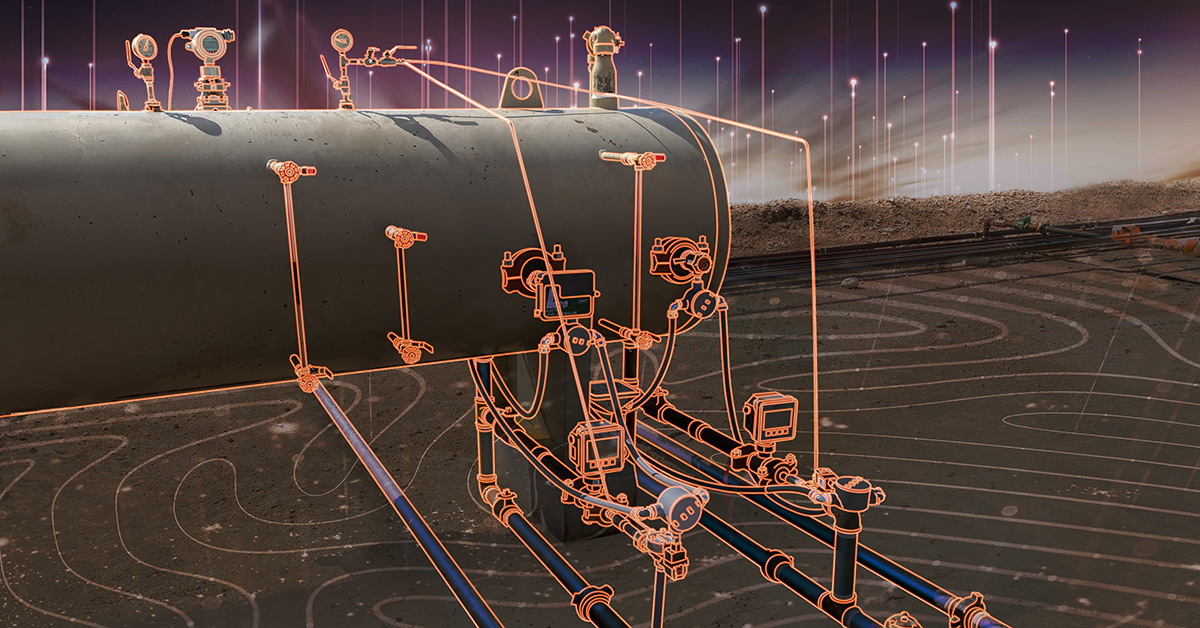
ASCO™ low-power solenoid dump valves offer a fully electric solution for process valves in legacy, low-pressure well sites, eliminating points of vented and fugitive emissions in separators, scrubbers and other equipment. An alternative to traditional dump valves piloted by natural gas, these devices enable producers to avoid EPA noncompliance and costly methane fees.

Download Whitepaper

Sample Image

Download Flyer

Sample Image

The Benefits of Electric Dump Valves in Gas Wells


Installation comparison vented emissions and no emissions.

As part of its broader efforts to mitigate climate change and protect public health, the Environmental Protection Agency (EPA) has ramped up its efforts to reduce methane and other greenhouse gasses (GHG) from new, modified and reconstructed sources in oil and natural gas production facilities. As part of its Methane Emissions Reduction Program, the EPA requires oil and gas producers to report their GHG data and other relevant information. It has also established a waste emissions charge on methane emissions that exceed specified thresholds.


Failure to comply with these standards doesn’t just end with a one-time fine, however. In the event fugitive emissions are detected at a well site, oil and gas producers must conduct time-consuming tests and surveys on a quarterly basis. They also have a brief window of time to make necessary repairs. Even the largest operations have only two months to repair dozens, hundreds, or even thousands of well heads.


Falling out of compliance with EPA regulations is therefore extremely costly — especially for facilities with thousands of wellheads. Factor in the amount of downtime for repairs, along with the logistical headaches associated with mandatory GHG reporting and testing, and oil and gas producers can face significant losses in terms of time and money.


One technology that eliminates a source of fugitive emissions is the electric solenoid dump valve, which brings the low-power benefits of solenoid operation to the oil and gas sector — particularly, to process valves in upstream applications. These next-generation, all-electric solenoid valves remove all sources of emissions — both vented and fugitive – avoiding EPA noncompliance and all the fees, reporting, testing and downtime that go along with it.

Related Products
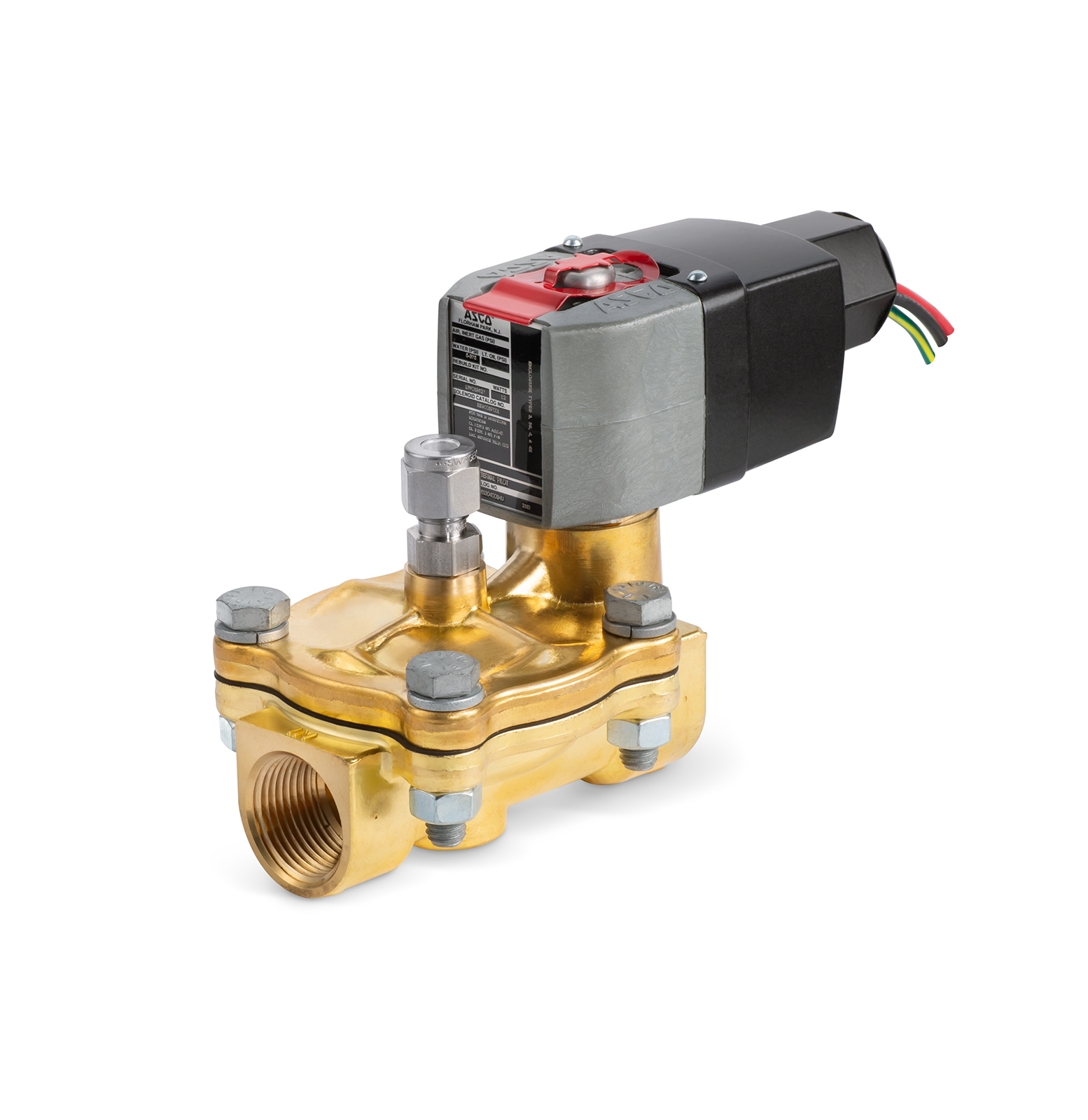
ASCO™ Series X210 Electronically Enhanced Solenoid Valves for Emissions Reduction

The ASCO Series X210 is the electronically enhanced line of 2/2-way pilot-operated solenoid valves. These electric valve solutions eliminate carbon emission sources of pneumatically piloted valves by actuating without venting. The valves feature high flow and pressure ratings with minimum power consumption, as well as responsive actuation to ensure precise control. They also incorporate a zero-emission pilot for connection to gas supply or optional straining of high debris liquid media. These 2/2 pilot operated solenoid valves are ideal for wellhead gas lift, gas compression, storage and 2- and 3-phase separation applications.
VIEW DETAILS
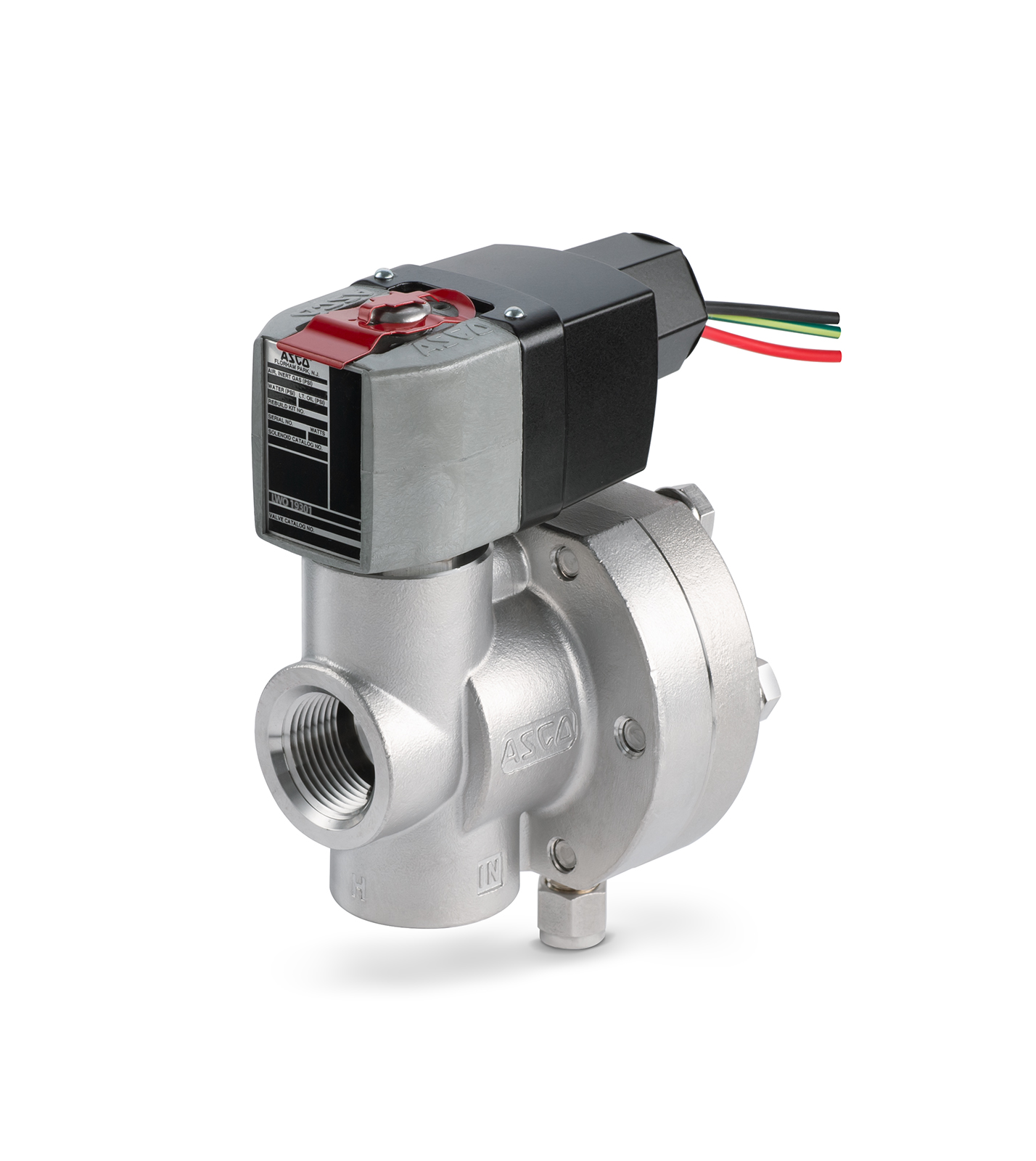
ASCO™ Series X223 Electronically Enhanced Solenoid Valves for Emissions Reduction

The ASCO Series X223 is the electronically enhanced line of 2/2-way pilot-operated solenoid valves. These electric valve solutions eliminate carbon emission sources of pneumatically piloted valves by actuating without venting. The valves feature high flow and pressure ratings with minimum power consumption, as well as responsive actuation to ensure precise control. They also incorporate a zero-emission pilot for connection to gas supply or optional straining of high debris liquid media. These 2/2 pilot operated solenoid valves are ideal for wellhead gas lift, gas compression, storage and 2- and 3-phase separation applications.

VIEW DETAILS

Frequently Asked Questions (FAQ) About Electric Dump Valves

Emerson took an off-the-shelf product that has operated in the field for over 50 years. After extensive testing, we made a few simple modifications. By removing the internal communication port and replacing it with an external port, we can feed clean media to the area above the diaphragm where sediment can cause clogging issues.
Dump valves offer several functions. During normal operation, they control the flow of fluids within production vessels as part of the overall process control strategy. They also discharge water, contaminants and other unwanted fluids from the vessel, ensuring the quality of processed materials. Dump valves may also be part of pressure relief systems. If the pressure inside the production vessel exceeds safe limits due to an equipment malfunction or other abnormal condition, the dump valve opens, releasing the excess pressure and protecting the vessel from damage. Similarly, dump valves can be used in emergency shutdown scenarios to rapidly shut down the vessel and isolate it from the rest of the process.
Our valves do not have a rising stem like conventional dump valves, eliminating packing, which can degrade over time and result in fugitive emissions. Our valves are bubble-tight, and the small amount of emissions that enter our dump valves are sent downstream to the next stage in the process or to the holding tanks.
Dump valves offer the following advantages:

Pressure relief: As part of pressure control systems, dump valves release excess pressure in production vessels, protecting the integrity of equipment.

Equipment and personnel safety: By offering rapid shutdown capabilities, dump valves play a critical role in preventing fires, explosions and other emergency situations. As a result, these valves contribute to overall process safety, mitigating the risk of equipment damage and personnel injury.

Process optimization: Dump valves play a role in controlling fluid flows and regulating the discharge of liquids, maximizing production efficiency.

Compliance with regulations: Low-power, electric dump valves eliminate vented and fugitive emissions, avoiding EPA fines, along with the need to monitor, test, document and report noncompliant wellheads.


Because we utilize a flexible diaphragm instead of a hardened seat, sand and sediment bounce off the seat instead of slowly chipping away at it and causing seat washout.
With the EPA's implementation of 40 CFR Part 60, Subpart OOOO (Quad O) regulations comes stringent requirements for how oil and gas producers must deal with fugitive emissions leaks. One of those requirements is tight, mandated repair windows when a fugitive emission leak is found. Typically, the first repair must be attempted within 30 days, and the repair must be finalized within 60 days of finding the leak. Because typical rising stem dump valves use packing, which degrades over time, leaks will continue to be an issue on a regular and ongoing basis. Once a leak is found, a producer will likely not be able to wait until the well's planned downtime to repair it. This delay will result in unplanned downtime to repair the packing and eliminate the fugitive emissions leak.  OOOO requirements don’t apply to Emerson’s zero-emissions electric dump valves, as they are free of packing and never release fugitive methane emissions.